
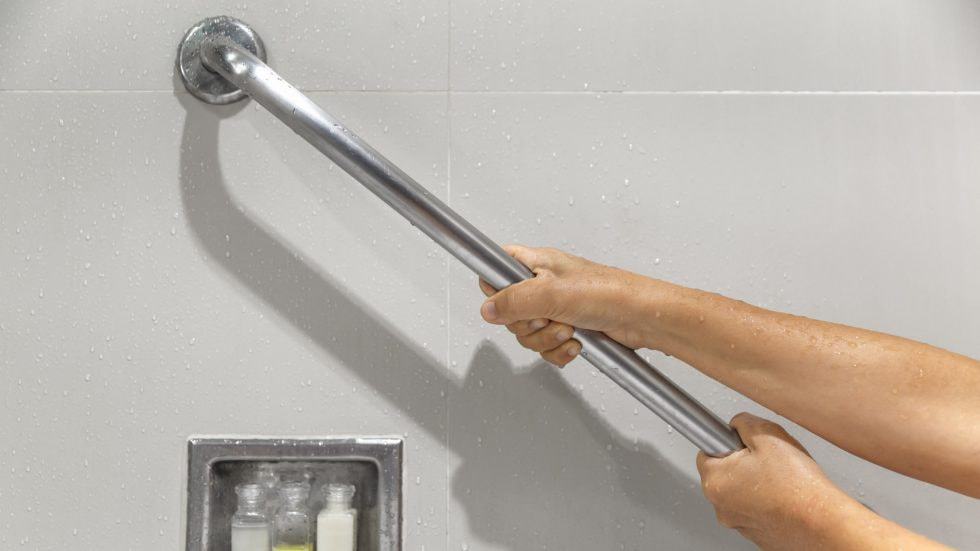
Shower safety features transform standard tub-to-shower conversions into secure bathing spaces that reduce fall risk and support independent living. Strategic additions like grab bars, non-slip surfaces, and easily accessible seating create bathrooms that accommodate current needs while preparing for future mobility changes. These modifications prove essential for households with elderly individuals, balance issues, or anyone recovering from injury.
Bathroom falls represent a leading cause of injuries requiring medical attention, with wet surfaces creating hazardous conditions even for healthy adults. The Centers for Disease Control and Prevention reports that bathroom-related falls account for a significant percentage of home injuries across all age groups. Converting from a bathtub to a walk-in shower presents an ideal opportunity to incorporate safety equipment that prevents accidents without compromising modern design aesthetics.
Tub-to-shower conversions offer natural transition points for implementing comprehensive bathroom safety upgrades. The construction process already involves removing existing fixtures, modifying plumbing, and installing new surfaces. Adding safety features during this phase costs less and integrates more seamlessly than retrofitting finished spaces later. Homeowners gain peace of mind knowing their bathroom accommodates changing mobility needs without requiring future renovations.
Planning safety features during the initial conversion ensures proper structural support, appropriate placement, and cohesive design integration. Professional installation guarantees that grab bars mount into solid blocking, shower floors slope correctly for drainage, and all components meet building codes. This comprehensive approach creates truly safe bathrooms rather than spaces that simply look secure.
What Shower Safety Features Matter Most?
Grab Bars for Critical Support Points
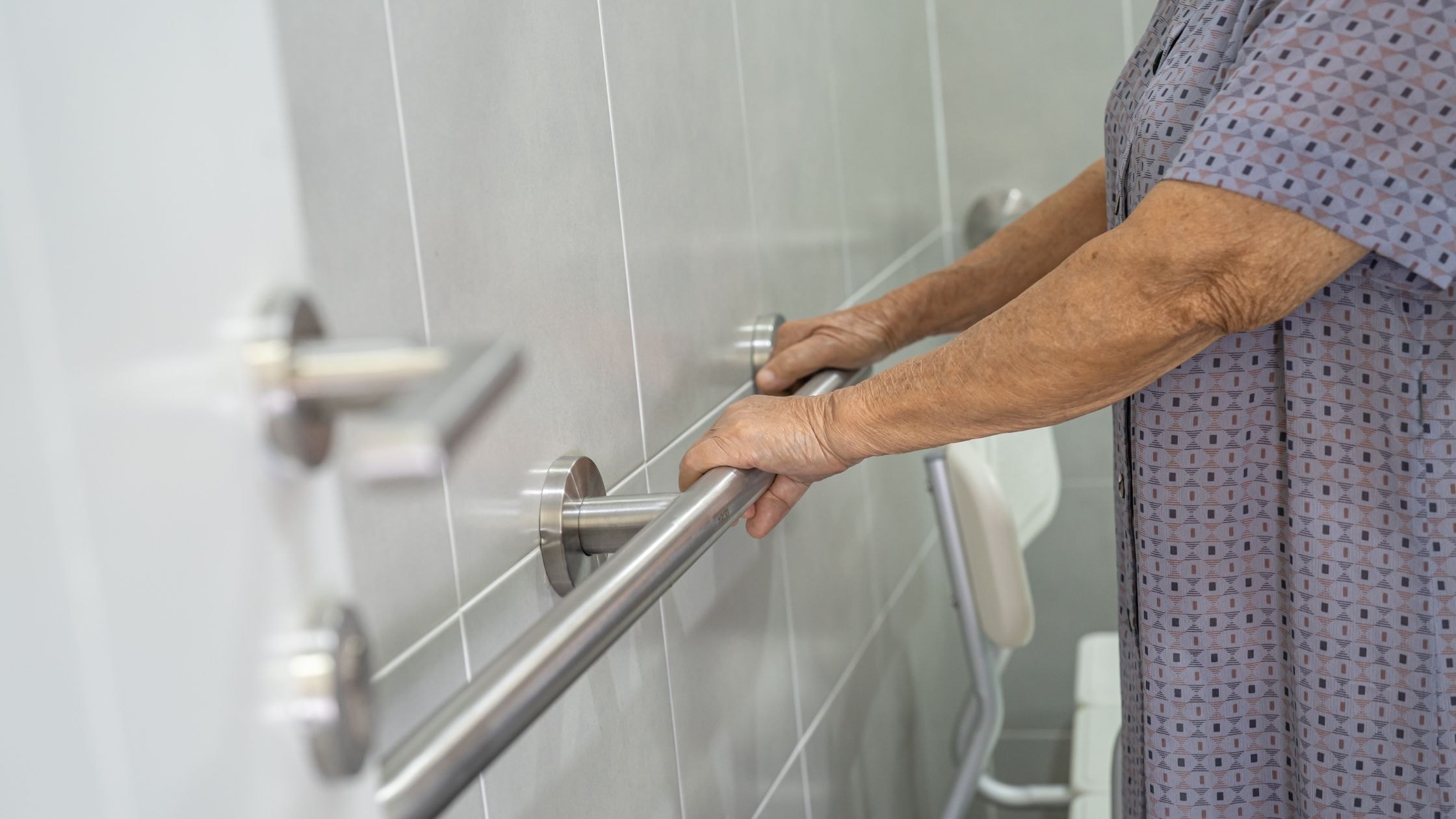
Grab bars provide essential stability throughout the bathing process. Installing grab bars at strategic locations allows users to maintain balance during entry, exit, and movement within the shower. Proper placement requires understanding how people naturally shift weight and position themselves while bathing.
Vertical grab bars near the shower entrance assist with stepping over thresholds or transitioning from standing outside to standing inside the wet space. These bars should mount between 33-36 inches from the shower floor, creating natural handholds that accommodate users of varying heights. Position them on walls adjacent to the entry point for easy reach during the most vulnerable transition moment.
Did you know? Grab bars must support at least 250 pounds when properly installed, requiring mounting into solid blocking rather than relying on tile adhesive or drywall anchors alone.
Horizontal grab bars along shower walls offer continuous support while bathing. Mount these bars 33-36 inches above the shower floor along the longest wall, allowing users to move safely through various positions. The bars should span at least 24-30 inches to provide adequate gripping range.
Corner configurations benefit from L-shaped grab bars that provide support in multiple directions. These specialized bars create stability for transitions between positions and offer gripping options that accommodate different body mechanics. The design proves particularly valuable in smaller showers where wall space limits traditional bar placement.
Non-Slip Shower and Bathroom Floor Surfaces
The shower floor represents the most critical surface for preventing slips and falls. Smooth porcelain or glazed ceramic tiles become dangerously slippery when wet, creating hazards even with bath mats. Textured surfaces or specialized non-slip materials significantly reduce fall risk while maintaining the clean appearance expected in modern bathrooms.
Textured porcelain tiles with raised patterns or slip-resistant coatings provide traction without collecting soap residue or requiring excessive cleaning. These tiles rate for slip resistance using standardized testing, with higher ratings indicating better traction on wet surfaces. Select tiles rated for wet areas to ensure adequate safety performance.
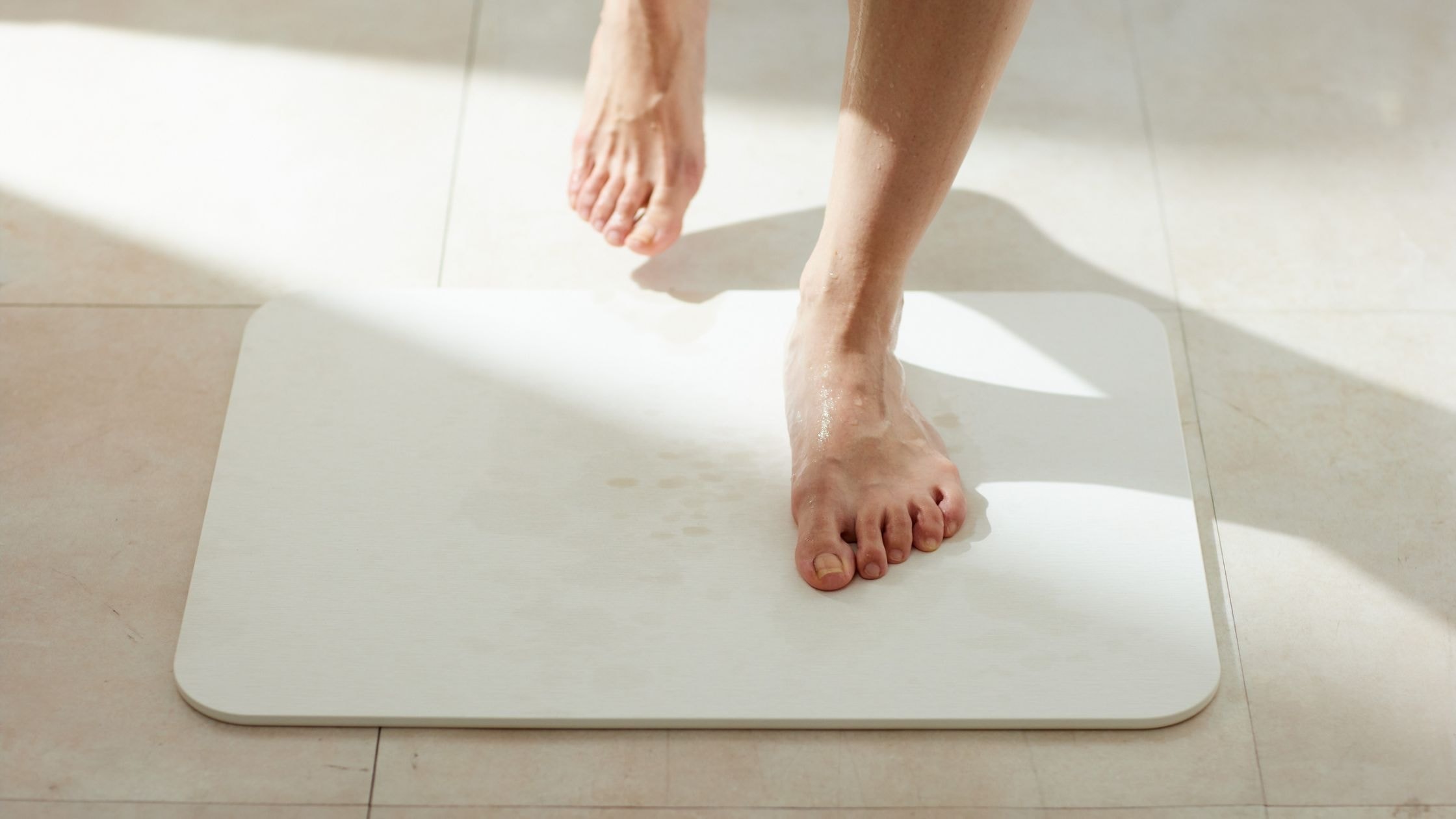
Non slip mats with suction cups offer temporary solutions but prove less reliable than permanently installed textured surfaces. The suction cups lose grip over time, allowing mats to shift unexpectedly during use. Soap buildup beneath mats creates additional slipping hazards, while the mats themselves require regular cleaning to prevent mildew growth.
Sloped shower floors ensure proper drainage that prevents water pooling. Standing water creates slippery surfaces and increases fall risk. Floors should slope gradually toward drains—typically one-quarter inch per foot—to maintain effective drainage without creating walking difficulties. Proper slope also supports better waterproofing by directing moisture away from vulnerable seams and corners.
Quick tip: Specify slip-resistant shower floor tiles with a Dynamic Coefficient of Friction (DCOF) rating of 0.42 or higher for optimal wet traction.

Shower Chairs and Built-In Seating
Shower chairs provide stable seating for users with difficulty standing for extended periods. Built-in benches integrate seamlessly during conversion projects, creating permanent seating that supports substantial weight without shifting or sliding. These shower chairs prove essential for elderly loved ones, individuals recovering from surgery, or anyone with balance issues affecting their stability.
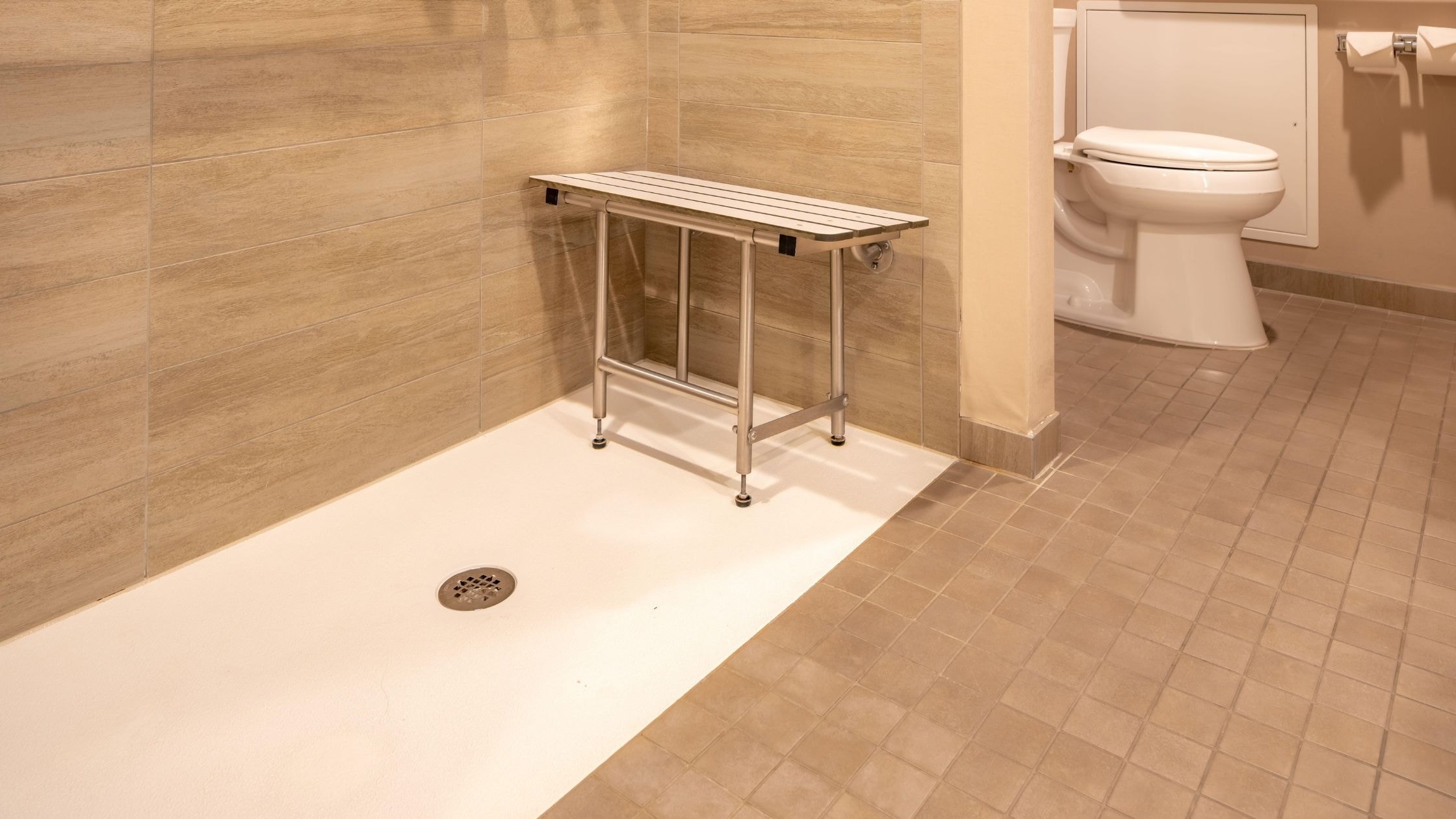
Wall-mounted fold-down seats offer seating when needed while folding away to maximize space in smaller showers. The hinged design allows full shower floor access for users who prefer standing while providing immediate seating availability when required. Quality hardware ensures smooth operation and secure locking in both positions.
Transfer benches that span from outside the shower to inside assist users who cannot safely step over thresholds. One end positions outside the shower while the other extends into the bathing area. Users sit outside the shower, then slide across the bench surface into the wet space without bearing weight on potentially unstable legs. This bathtub transfer bench concept translates effectively to shower conversions for maximum accessibility.
Built-in corner seats utilize space efficiently while providing comfortable sitting positions. These integrated benches typically install at heights between 17-19 inches—similar to standard toilet seat heights—creating familiar seating that requires minimal adjustment for users. Reinforced construction supports weight safely while maintaining clean visual lines.
Height adjustable shower seats accommodate households with multiple users of varying statures. Wall-mounted seats with telescoping supports adjust to preferred heights, then lock securely for use. This flexibility proves valuable in shared bathrooms where different family members require different positioning.
How Do Handheld Shower Heads Enhance Safety?
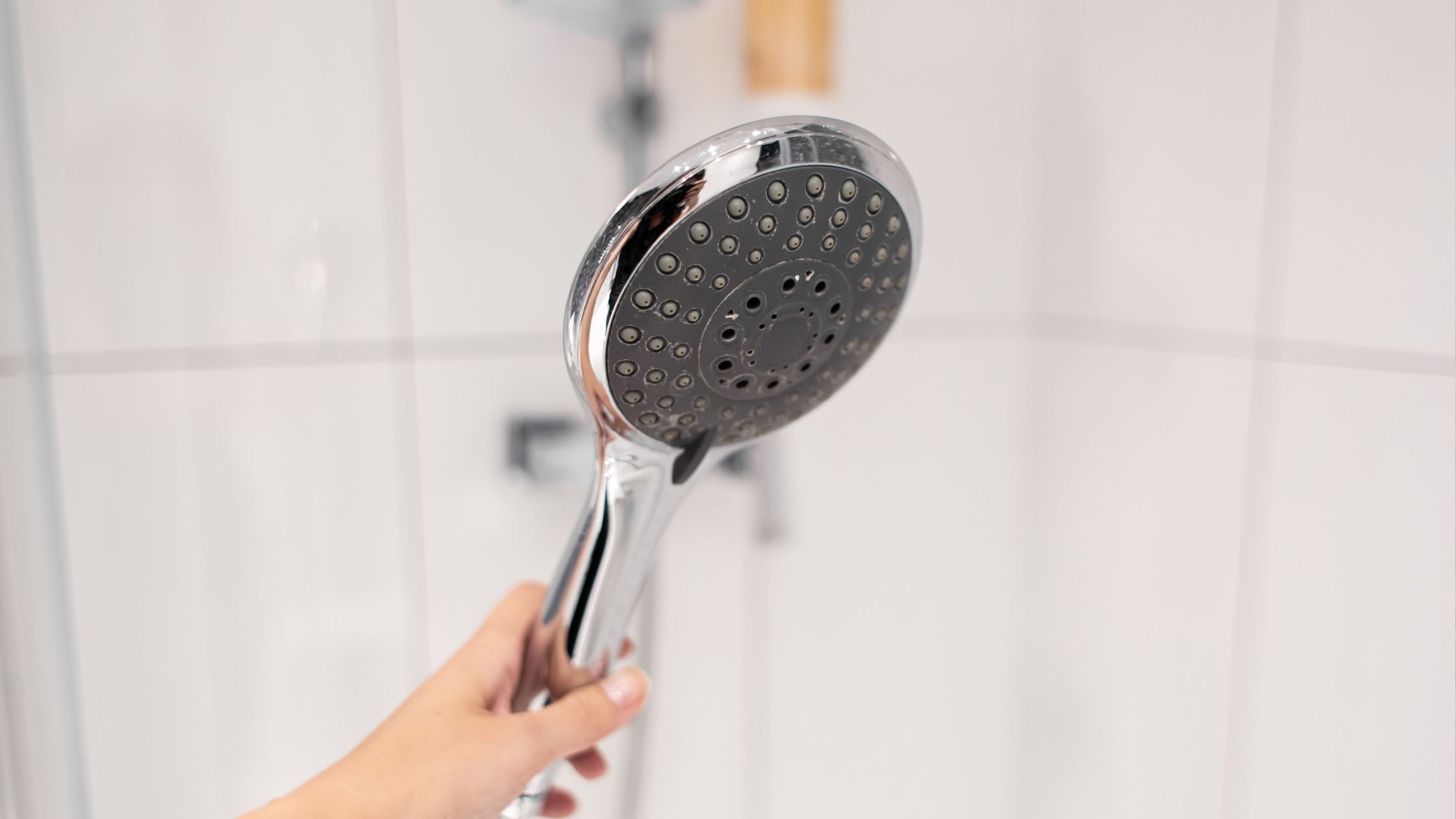
Handheld shower heads mounted on slide bars provide water flow control that significantly reduces strain and improves safety. Users adjust spray position without twisting or reaching, maintaining stable postures throughout bathing. The handheld option proves essential for seated showering, allowing users to direct water precisely where needed without standing or repositioning.
Slide bar mounting systems position the shower head at ideal heights for both standing and seated use. The head slides along a vertical track, locking at any position within the bar’s range. This adjustability accommodates users of different heights and abilities without requiring separate shower head installations.
Water pressure controls integrated into handheld units allow easy flow adjustment. Users modify pressure according to preference and comfort, reducing the force needed to rinse while maintaining effective cleaning. Lower pressure settings prove gentler on sensitive skin and create less splash that might affect balance on wet surfaces.
Pause buttons on handheld shower heads stop water flow temporarily without adjusting temperature settings. This feature allows users to soap up or shampoo without water running, then resume rinsing at the same water temperature. The control reduces water waste while providing bathing flexibility that enhances safety and comfort.
Quick tip: Install the slide bar with the lowest position at seated shoulder height and the highest position above standing head height to accommodate all family members and future mobility changes.
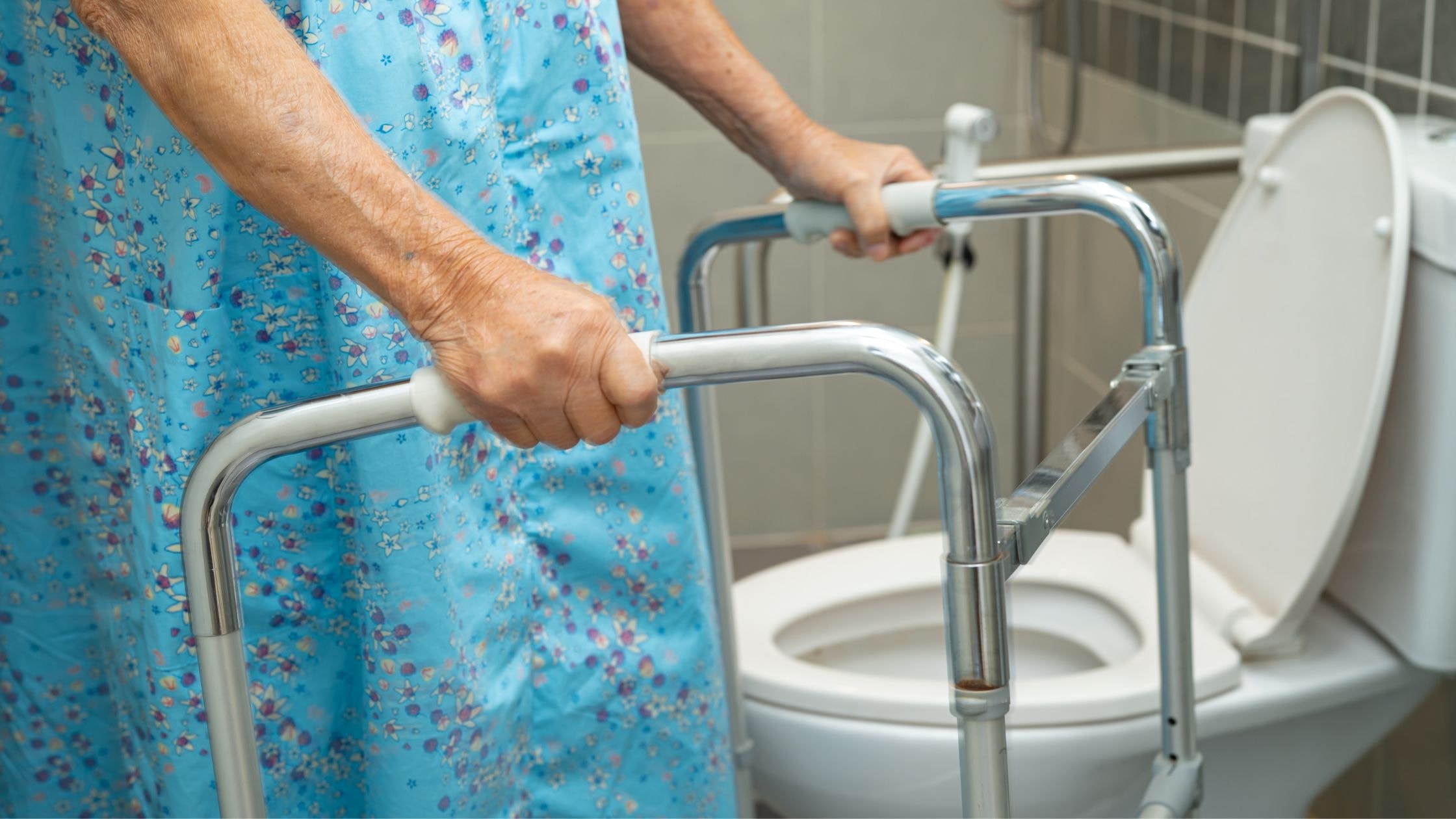
Which Bathroom Safety Equipment Supports Shower Conversions?
Raised Toilet Seat Options
While not directly part of the shower, raised toilet seats complement conversion projects by addressing comprehensive bathroom safety. These seats increase toilet height by 2-6 inches, reducing the distance users must lower and raise their bodies. The reduced range of motion proves essential for elderly individuals with hip or knee issues affecting their ability to safely stand from standard toilet heights.
Locking mechanisms secure raised toilet seats to existing toilets without permanent modifications. Adjustable brackets accommodate various toilet shapes and sizes, while rubber gripping surfaces prevent shifting during use. Some models include armrests that provide additional support when standing or sitting.
Bathtub Rails for Transitional Spaces
Bathrooms undergoing partial conversions—where one tub remains alongside a new shower—benefit from bathtub rails that assist with tub entry and exit. These rails clamp securely to tub walls, providing stable handholds without permanent installation. While not part of the shower conversion itself, they address total bathroom safety for households maintaining both bathing options.
Adequate Lighting and Ventilation
Proper lighting eliminates shadows and dark corners that hide hazards or prevent users from seeing wet surfaces clearly. Motion-activated lighting ensures illumination without requiring switches that might be difficult to reach. LED fixtures provide bright, energy-efficient light that improves visibility throughout the bathroom space.
Ventilation fans remove moisture that creates slippery surfaces and encourages mold growth. Humidity-sensing fans activate automatically when moisture levels rise, operating until the bathroom returns to safe humidity ranges. This automatic operation ensures consistent moisture control without requiring user intervention.
Creating a Safe Bathroom Through Proper Planning
Comprehensive safety planning addresses the entire bathroom rather than focusing solely on the shower. Accessible shower conversions consider how users move through the entire space, identifying potential hazards and implementing solutions that support safe navigation.
Clear floor space allows easy movement and turning, particularly for users with walkers or wheelchairs. Minimum clear floor areas of 30 x 48 inches in front of fixtures provide adequate maneuvering room. Wider doorways—at least 32 inches clear opening width—accommodate mobility devices without requiring precise navigation.
Slip-resistant bathroom floor surfaces extend safety beyond the shower. The same textured tiles or slip-resistant finishes used in shower floors should continue throughout the bathroom, creating consistent traction across all wet surfaces. This comprehensive approach prevents falls during the transition from shower to other bathroom areas.
Temperature controls that prevent scalding protect users from serious injury caused by sudden water temperature changes. Thermostatic mixing valves maintain consistent temperatures even when water flow changes elsewhere in the house. Anti-scald devices limit maximum hot water temperature, typically to 120°F or lower, preventing burns from accidental full-hot positions.
What Installation Considerations Ensure Maximum Safety?
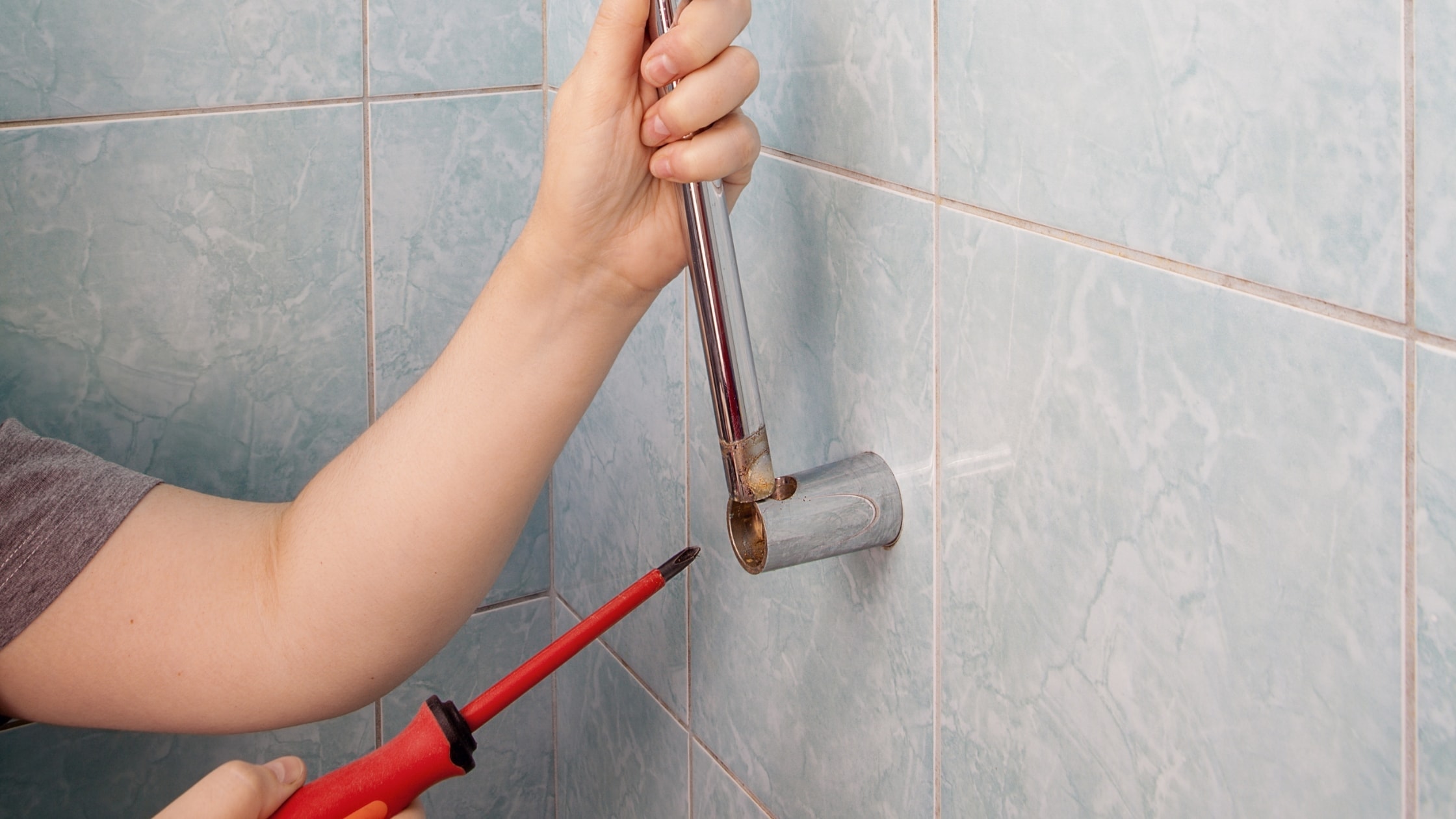
Professional installation guarantees that safety features meet structural requirements and building codes. DIY installations often lack proper blocking for grab bars, adequate waterproofing around penetrations, or correct slope for drainage. These deficiencies create false security—features that look safe but fail during actual use.
The installation sequence for shower safety features follows a specific order:
- Install blocking between wall studs for future grab bar mounting
- Complete waterproofing membranes across the entire shower enclosure
- Install textured or slip-resistant floor tiles with proper slope
- Mount grab bars into blocking with appropriate fasteners
- Install shower seat or bench with reinforced support
- Add handheld shower head with slide bar mounting
- Test all components under load to verify secure installation
Blocking installation requires planning grab bar locations before closing walls. Standard 2×6 or 2×8 lumber installed horizontally between studs creates solid mounting surfaces that support required weight loads. The blocking should span at least two stud bays and install at the planned grab bar height.
Waterproofing around grab bar penetrations prevents moisture intrusion that damages walls and creates mold growth. Silicone sealant around mounting flanges creates watertight barriers, while proper membrane installation behind walls prevents moisture migration. These details prove critical in maintaining long-term bathroom safety and structural integrity.
Weight capacity verification ensures installed features support intended loads. Testing grab bars by applying substantial downward and outward force confirms secure mounting. Seats and benches should support at least 300 pounds without movement or flexing. This verification provides confidence that safety features will perform during emergencies when users apply their full weight suddenly.

Supporting Elderly Loved Ones Through Bathroom Safety
Elderly individuals face increased fall risk due to balance issues, reduced strength, and slower reaction times. Creating a bathroom safe for aging residents requires anticipating future needs rather than addressing only current abilities. Features installed during conversions accommodate changing mobility without requiring additional renovations.
Multiple grab bars at varying heights and orientations provide support options as abilities change. What works for a healthy 65-year-old may prove inadequate for the same person at 75. Installing extra grab bars during initial conversion costs minimally but provides significant future value by eliminating retrofit needs.
Shower seats become increasingly important as standing stamina decreases. Built-in seating allows elderly loved ones to maintain bathing independence longer, preserving dignity and reducing caregiver burden. The security of stable seating encourages regular bathing even when balance issues might otherwise create anxiety about showering.
Easy reach storage keeps bath products within grasp without requiring bending or stretching. Built-in niches at seated shoulder height provide convenient storage that remains accessible regardless of standing ability. Multiple storage locations at different heights accommodate both standing and seated use.
Bathroom Safety Equipment That Prevents Slips and Falls
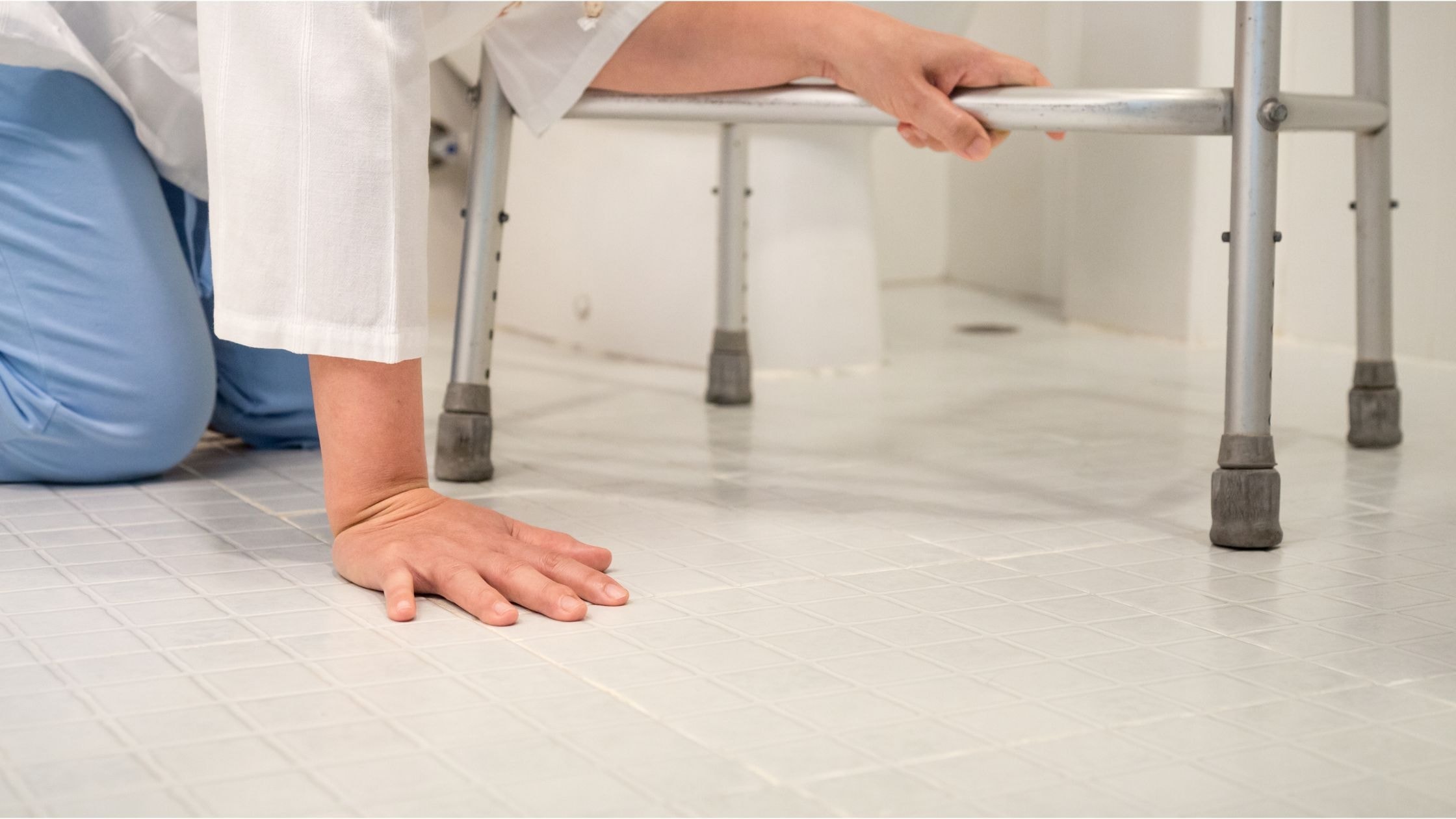
Falls prevention extends beyond structural features to include portable bathroom safety equipment and thoughtful design choices. The National Council on Aging identifies bathroom falls as preventable through comprehensive safety modifications. Strategic equipment selection addresses specific risk factors while maintaining bathroom functionality.
Common bathroom hazards and their solutions include:
- Slippery surfaces: Textured tiles, slip-resistant coatings, proper drainage
- Difficult transitions: Zero-threshold entries, contrasting colors at edges
- Inadequate support: Multiple grab bars, shower seats, sturdy bath products
- Poor visibility: Bright LED lighting, night lights, contrasting colors
- Hard surfaces: Impact-resistant materials near high-risk areas
Standing stability improves through grab bar placement that supports natural movement patterns. Bars positioned where users naturally reach create intuitive support that requires minimal conscious effort. This natural integration proves more effective than bars placed based solely on standard measurements that may not match individual needs.
Weight distribution across two legs becomes easier with properly positioned grab bars that allow users to pull themselves to standing. Vertical bars positioned at optimal heights provide mechanical advantage, reducing the strength required to stand from seated positions. This assistance proves critical for users with leg weakness or hip mobility limitations.
Frequently Asked Questions About Shower Safety Features
What are the most important safety features for a shower conversion?
Grab bars, non-slip flooring, and built-in seating represent the three most critical shower safety features. Grab bars provide stability during entry, exit, and movement within the shower. Non-slip floors prevent slips and falls on wet surfaces. Seating allows users to bathe safely when standing proves difficult or tiring, significantly reducing fall risk.
How much space do you need for a safe walk-in shower?
A safe walk-in shower requires a minimum of 36 x 36 inches of interior space, though 48 x 36 inches or larger provides more comfortable access and maneuvering room. Additional space becomes necessary when incorporating shower seats or transfer benches. Doorless entries need adequate space to prevent water from escaping into the main bathroom floor area.
Can safety features be added to existing showers?
Safety features can be added to existing showers if proper structural support exists or can be created. Grab bars require solid blocking behind walls, which may necessitate opening and repairing wall sections. Non-slip coatings can be applied to existing floors, though replacement with textured tiles provides better long-term performance. Professional assessment determines feasibility and identifies the most effective approach.
Where should grab bars be placed in a shower?
Grab bars should be installed vertically near the shower entrance at 33-36 inches from the floor, horizontally along the longest wall at the same height, and diagonally near seating areas if present. Additional bars may be placed based on individual needs and shower configuration. All grab bars must mount into solid blocking capable of supporting at least 250 pounds of force.
Do shower safety features require special maintenance?
Shower safety features require minimal maintenance beyond regular cleaning. Grab bars need periodic checks to ensure mounting hardware remains tight and secure. Textured floor surfaces require scrubbing to prevent soap buildup that reduces traction. Shower seats and benches should be inspected for stability and checked for any signs of water damage or loosening.
What’s the best type of shower chair for elderly individuals?
Built-in tiled benches provide the most stable, durable seating for elderly individuals, supporting weight without shifting or requiring adjustment. These permanent seats integrate seamlessly with shower design while providing reliable support. Fold-down seats work well in smaller spaces, offering seating when needed while maximizing floor space. Transfer benches suit users who cannot step over thresholds safely.
How do you prevent water temperature fluctuations in safe showers?
Thermostatic mixing valves prevent dangerous water temperature fluctuations by maintaining consistent temperatures even when water pressure changes elsewhere in the house. These valves mix hot and cold water to achieve the set temperature, automatically adjusting the mix ratio when pressure fluctuates. Anti-scald devices provide additional protection by limiting maximum hot water temperature to safe levels.
Building Safer Bathrooms for Independent Living
Comprehensive shower safety features create bathrooms that support independent living across all life stages. Strategic planning during tub-to-shower conversions implements safety modifications seamlessly, avoiding the disruption and expense of future retrofits. The investment in proper safety equipment, professional installation, and thoughtful design delivers both immediate security and long-term value.
If you’re exploring a tub-to-shower conversion and want to better understand your options, explore The Complete Guide to Tub-to-Shower Conversions. This comprehensive resource covers everything from accessibility upgrades and safety considerations to design choices, installation timelines, and budgeting insights.
Connecticut homeowners benefit from working with experienced contractors who understand the balance between safety requirements and aesthetic preferences. Modern safety features no longer compromise bathroom style—contemporary options integrate beautifully while providing essential support and fall prevention. The result creates spaces where elderly loved ones, family members with mobility issues, and everyone in the household bathe safely and comfortably.
Preventing falls through proper bathroom safety equipment protects well-being while preserving the independence that home ownership represents. Each safety feature adds layers of protection that reduce injury risk and provide peace of mind for entire families. The bathroom becomes a space of security rather than concern, supporting daily routines without anxiety or limitation.